

How to Sell a Construction Business: A Real Exit Story
"We had simple QuickBooks, but they could put it in a language that moved it to everybody else."
— Kevin Wolfe, construction & environmental services owner
Kevin Wolfe spent more than twenty years building an environmental and construction business. When it came time to sell, he did not scramble or hope for the best. He started planning years early, got the business into shape a buyer could trust, and walked into the sale calm, informed, and in control. This is how he did it.
This is a real look at how to sell a construction business the right way, years before a buyer ever shows up.
A Plan That Started Years Before He Needed It
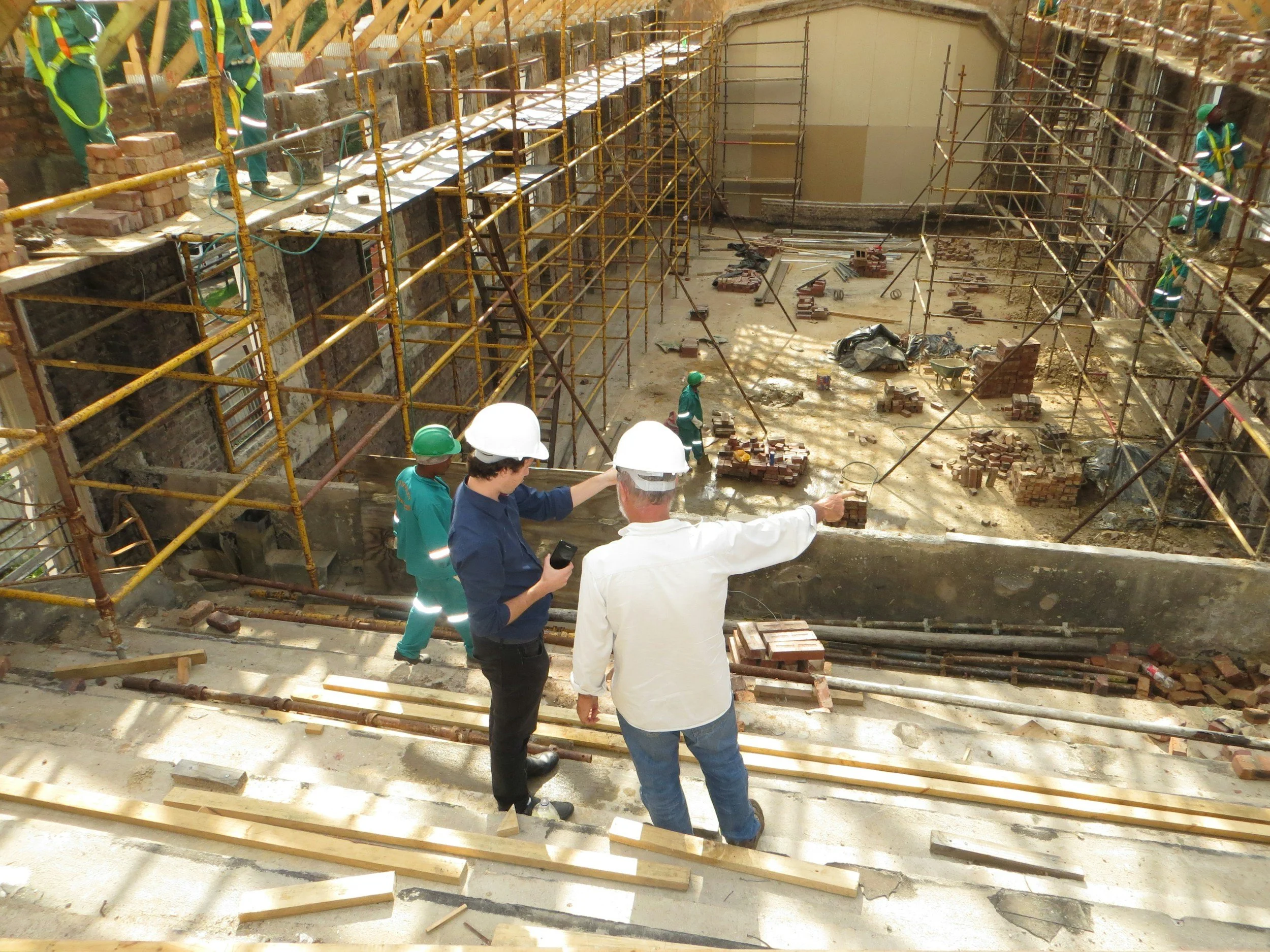
Kevin did not set out to be a business owner. He came up in a custom home construction business with his family, stepped away from that, and then took a call that changed everything. A former owner asked him to come work with him. Kevin's answer was simple: why not, let's give it a try. That was twenty years ago.
He bought that owner out, and the business thrived. But even in the good years, Kevin was already thinking about the end. Because of his age, he set himself a target: within five to seven years, he wanted to start easing out. That single decision, to begin long before he had to, is the thread that runs through this entire story. Time became his biggest asset.
Getting The Right People At The Table
Kevin started with someone he already trusted, his longtime accountant, who now works with Doescher Group. Together they looked at how to structure a future sale so it worked for everyone: the least tax for Kevin, a fair outcome for the buyer, no nasty surprises down the line.
Then came an introduction. His accountant set up a lunch with Craig, and it just worked.
"We just jived. I went home and my wife asked what I thought. I said, I think this is the way to try. I really do."
Over that first lunch and the meetings that followed, they talked about more than numbers. They talked strategy, and the question every seller eventually has to face: who is the buyer actually going to be.
Turning A Business in His Head Into A Business on Paper
Here is where most owners quietly get stuck, and where Kevin's story is most useful. He ran a good operation. The trouble was that most of it lived in his head and in his crews' hands. The processes worked, but they were never written down anywhere a buyer could see and trust.
So that became the work. Doescher Group helped him document how the business actually ran, day to day. They built him a WIP schedule. And they took his straightforward QuickBooks records and translated them into financials that a buyer, a lender, or an investment banker could read and believe.
What's a WIP schedule? Work-In-Progress. It's a running snapshot of the jobs you've started but not finished, showing how much you've billed against how much you've actually earned. In construction (or any other business with contracts that last more than a month or two), a serious buyer asks for it early, because it shows the true state of your projects, not just what has landed in the bank.
Little by little, Kevin learned to present his own business the way a buyer needed to see it. The information was always there. Now it was organized, and it told a clear story.
The Exit, Step by Step
Stripped down, the path Kevin and the team followed looks like this. This is what selling a construction company looks like when it is done well. It's a useful map for any construction or environmental services owner who knows their day is coming.
| Step | What Kevin did | Why it mattered |
|---|---|---|
| 1. Started early | Gave himself a 5–7 year runway before selling | Time is the one thing you can't buy back later |
| 2. Built the right team | Trusted accountant for structure, Doescher Group for the plan | The right advisors make the process calmer and cleaner |
| 3. Documented the business | Put processes and procedures on paper | A business that runs on systems is worth more than one that runs on the owner |
| 4. Built and Maintained a WIP schedule | Showed billed vs earned across every job | Construction buyers expect it, and it protects your price |
| 5. Translated the numbers | Turned simple QuickBooks into buyer-ready financials | Buyers fund what they can clearly understand |
| 6. Rehearsed due diligence | Answered the tough buyer questions in advance | No surprises, no price getting chipped away |
| 7. Kept growing | Drove the business forward right up to the sale | Momentum raises value and buyer confidence |
| 8. Structured for tax | Designed the deal to be tax-efficient | More of the proceeds stayed where they belonged |
No Surprises When it Counted
“They helped me get organized to present the business — and I never got blindsided because they had already prepared me for every question coming our way.”
The part Kevin kept coming back to was this: he never got blindsided. Long before a real buyer sat across from him, the team put him through the same hard questions a buyer would ask. Why was this month down. What drove such a strong year. Why the capital spending here. How do you keep your people so well. By the time due diligence came, Kevin had already answered all of it.
What's due diligence? It's the buyer's deep inspection of your business before they commit. It's also where unprepared sellers watch their price get chipped away, question by question. Kevin simply refused to be unprepared.
Grow the Business, Right to the Finish Line
One instruction from Craig stuck with Kevin more than any other. Get me the information, and grow the business. Not one or the other. Both, at the same time, all the way to the sale.
"Craig would always say, you get me this, you grow the business. We go to sale, we've got to grow the business."
Kevin is refreshingly honest about how the work split. He got things maybe twenty percent of the way there, he says, and the team carried the other eighty. That is exactly what good advisors are for.
Across the Line, Together
By the closing, it no longer felt like Kevin had hired a firm. It felt like they had built one, briefly, together. His number two was in the room the whole way, at the dinners, part of the group. And the relationships did not end when the deal did.
"We did it, and we did it as a team.
We almost became like a business within it, and we're all still genuine friends."
— Kevin Wolfe, construction & environmental services owner
There is one more thing Kevin mentions, quietly, that a lot of owners feel but rarely say out loud. For a while, he worried he was asking dumb questions. The team convinced him he wasn't, and those questions usually led somewhere good. That is what it feels like to be genuinely supported through the biggest financial decision of your life.
What Any Owner Can Take From Kevin's story
Start early. Kevin's five-to-seven-year runway is the reason everything else was possible.
Get it out of your head. A business that only works because of you is worth less than one that runs on documented systems.
Build the WIP schedule. In construction, it's one of the first things a buyer asks for.
Rehearse the hard questions. Answer them before a buyer does, and due diligence stops being a threat.
Keep growing. Preparing to sell and growing the business are the same job, done well.
Structure for tax. The right deal structure kept more of the money with the people who earned it.
The Takeaway
None of this was about timing the market. It was about preparing the business so its owner could negotiate from a position of strength. That is what good exit planning looks like, and it almost always starts years before a buyer shows up.
If you own a construction or environmental services business and you are starting to think about how to sell your construction business, the best time to start is while you still have runway to build value. Start the conversation with Doescher Group.
Frequently Asked Questions
How early should a construction business owner start planning an exit?
The earlier the better. Kevin planned five to seven years ahead, and assembled his exit team along the way. This provided him runway to build value and avoid surprises. We are fond of saying it’s never too early, and never too late. Wherever you’re at today, your situation can be improved with an exit planning advisor such as a Chief Transaction Officer® from Doescher Group.
What is a WIP schedule and why do buyers want it?
A Work-In-Progress schedule shows the jobs you've started but not finished, and how much is billed versus earned. It gives a buyer an honest picture of where your projects really stand, which builds trust and protects your price. Mastery of your WIP schedule is an absolute requirement in order to have a successful outcome for any long-lived project business.
Do I need to grow my business before selling it?
Ideally, yes. Growing while you prepare increases value and shows a buyer momentum. As Craig told Kevin, getting ready and growing are the same job. This momentum removes doubts that may creep into an investor’s mind about the sustainability of the company’s earnings into the future.
What does exit planning involve for a construction company?
Documenting your processes, building a WIP schedule, translating your books into buyer-ready financials, rehearsing due diligence, structuring the deal for tax, and growing value along the way. In project based businesses, it is also critical to create visibility into your pipeline of future work. A well organized WIP schedule, will provide information on your contracted backlog (committed work), but you also will want to show the projects you are chasing and have historical data on win rates to demonstrate how much of what you’re chasing is expected to convert into future committed work.
Thinking About Your
Own Exit One Day?

The owners who exit well start years early. Let's talk about your exit.
The FieldReady™ Scorecard

The FieldReady™ Scorecard is a 20-point diagnostic across the four areas buyers evaluate first.
It takes about five minutes to complete and gives you a clear picture of where your business stands today, and what's worth improving before any transition conversation begins.