

What’s Luck Got to Do With Business Growth?
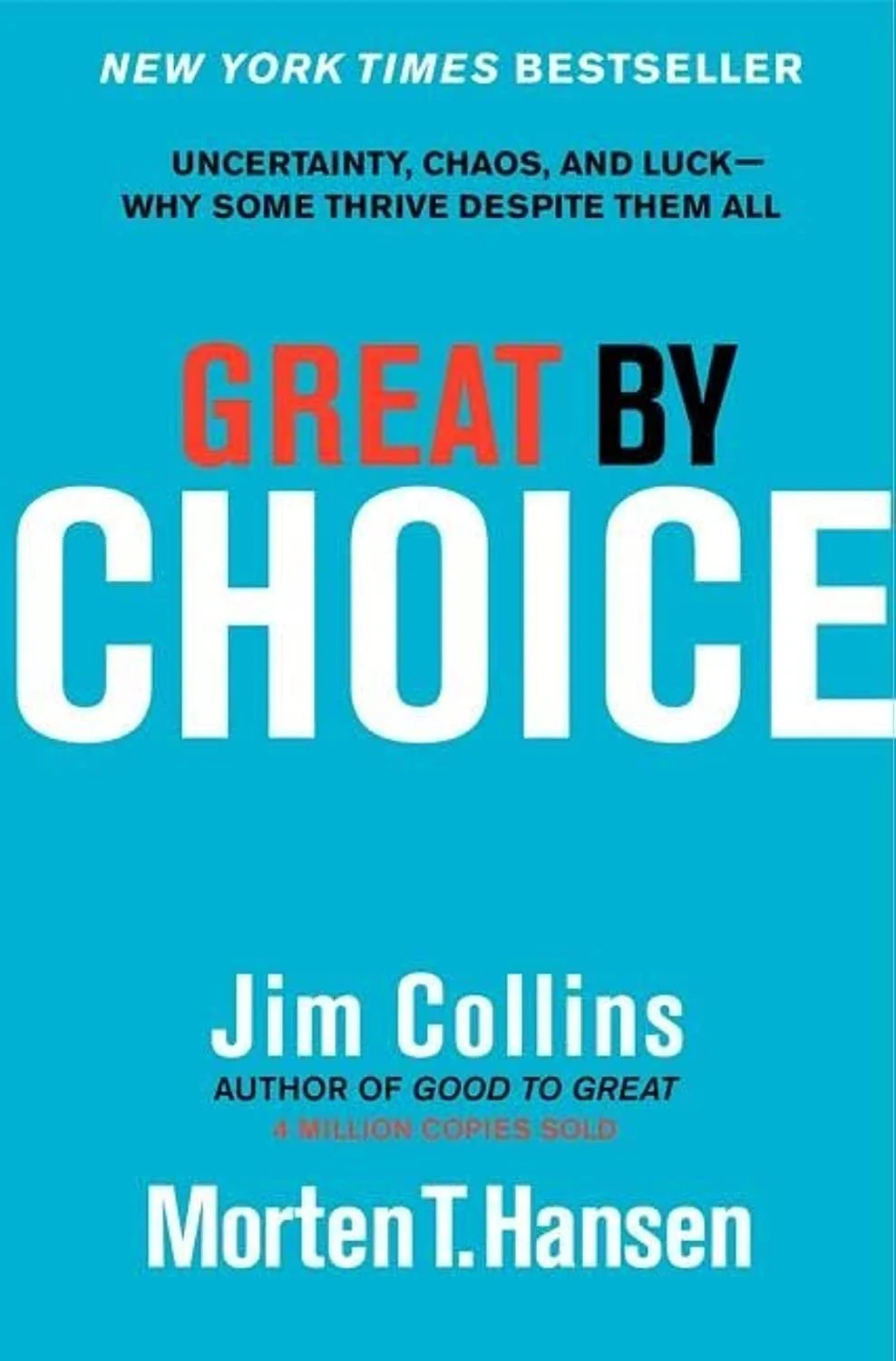
One day I wondered, “Is it better to be smart or to be lucky?” I thought about that question again when I heard Jim Collins speak about his book, Great by Choice.
During his presentation, Collins shared that during a nine-year study of some of the most extreme business successes of modern times, his research team asked this question:
“What is the role of luck?”
As you can imagine, this really got my attention.
Collins and his team concluded that luck, both good and bad, happens to everyone, whether we like it or not. Really successful people recognize luck and seize it. They grab “luck events” and make much more of them than less successful people do.
Now, I am a big believer in having a plan. Many times I have said, “Without a plan and/or roadmap, you will get nowhere.” However, I have also observed that you need to be attuned to what Collins calls “luck events.”
Although these events may not fit your current strategy or tactics for the next year or two, they could be game-changers if you recognize their potential.
That is the leadership challenge: You do not want to chase every shiny object, but you also do not want to miss an opportunity because it did not appear in your annual plan. Business owners need both discipline and awareness.
I am the same guy who strongly recommends staying focused, but I think this subject is critically important. Here are a few things to consider when a possible “luck event” shows up at your doorstep:
What is the potential upside of this opportunity? Could it be a winner or even a huge success?
Does it fit with your long-range mission and vision? You may have to be creative and open-minded to see the full potential and fit.
Is your organization in a position to handle it appropriately? Consider your leadership team, profitability, balance sheet, and operational capacity.
Does your company have the resources to pursue the opportunity without crippling the primary business?
Using Geoffrey Moore’s Crossing the Chasm framework, find some “early adopters” in your organization and ask for their advice. Then ask some “early majority” people what they think. Do not be discouraged, and be sure to take good notes.
Move quickly through the first five steps. In my experience, luck events often have a very short window of opportunity.
Assign some of your best people to explore the possibilities and maximize your chance for success.
Get the appropriate approvals and go for it.
If you realize it is not a good idea for your company, do not be afraid to pull the plug. Make sure your team has the right perspective and is willing to stop before you get in too deep.

For owner-operated businesses, this kind of decision can be especially important. A luck event may come through a customer request, a potential acquisition, a new market opening, a key hire becoming available, a competitor stumbling, or an unexpected referral.
The opportunity may not have been planned. But that does not mean it should be ignored.
At the same time, not every unexpected opportunity deserves a yes. The real work is learning how to evaluate the event quickly, honestly, and strategically.
Does it fit who you are?
Can you handle it?
Will it strengthen the company or distract it?
Do you have the right people to explore it?
Can you move fast without being reckless?
Thank you, Jim Collins, for helping me better understand something I have experienced many times in my career.
I wish all of you success in dealing with your next “luck event.”
Seek. Climb. Lead.
The right opportunity can change a company. The wrong one can drain it. Let’s make sure your next move fits the business you are trying to build.