

Was Steve Jobs a Great Leader, or Just a Brilliant Builder?
Some time ago, I read Walter Isaacson’s biography of Steve Jobs. I have to say it was one of the most challenging books I have ever read. Not because of the length, although in my opinion it was too long and somewhat repetitive, but because Jobs violated almost every leadership principle in which I believe.
As I read, I felt like my brain was being stretched in ways it had never been stretched before.
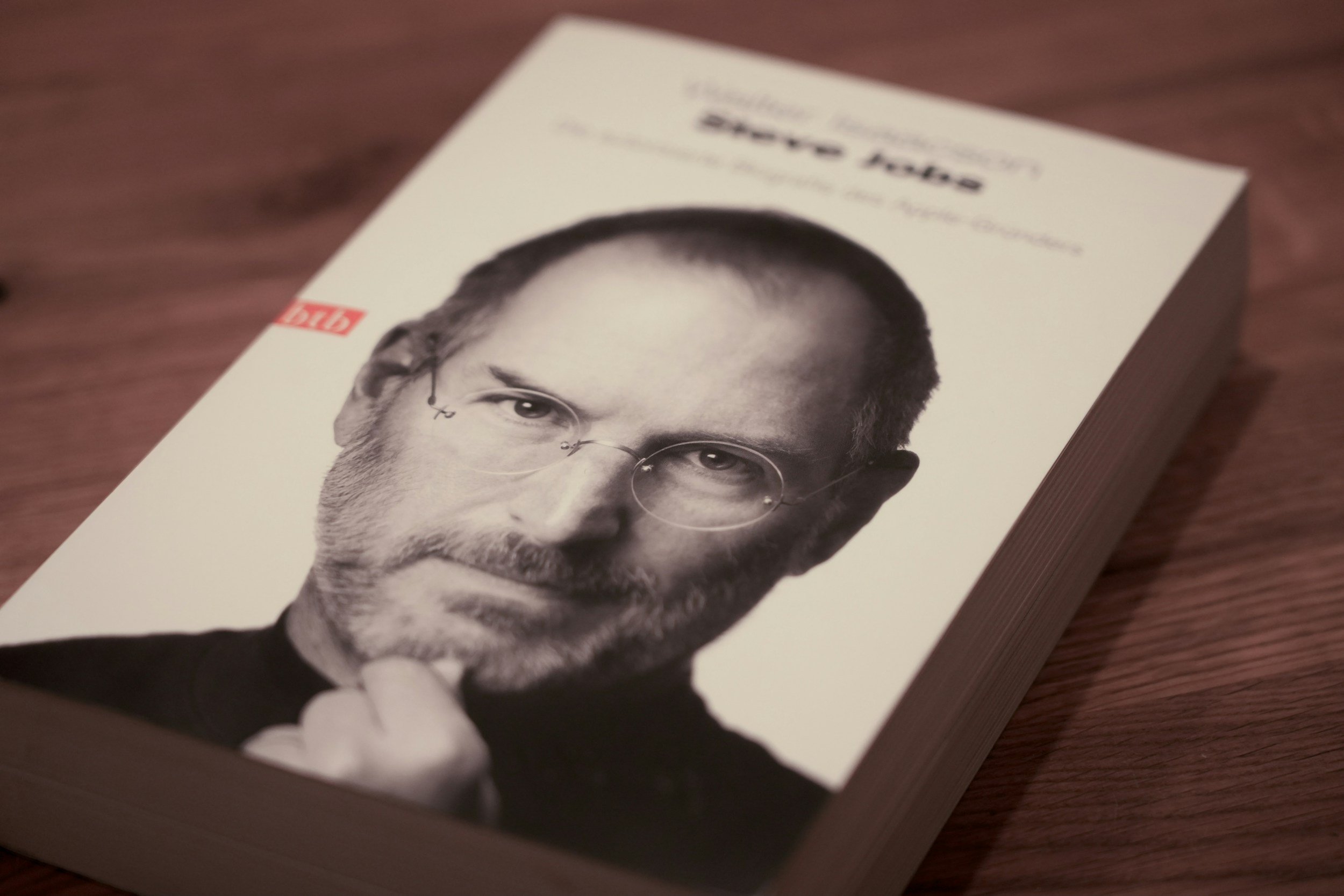
I kept telling myself, “Hang in there, absorb, and seek to understand.” For those of you who have not read the book, Isaacson was recruited by Jobs to write it, and much of the biography is based on interviews with and comments made by Jobs. My point is that the book seemed objective, and Jobs himself had a hand in it. It was by no means a character assassination.
Besides the influence of Frank Moran and all the other great leaders at Plante Moran, whose principles have I based my view of a great leader on? The list would be long, but it would include Tom Peters, Jim Collins, Steve Sample, Patrick Lencioni, Daniel Pink, Marcus Buckingham, Coach K, Bo Schembechler, Brady Hoke, and Tom Izzo. You could also add Presidents Lincoln, Washington, and Mandela, plus Mother Teresa, to my list of great leaders and role models.
Not to be judgmental, but according to Isaacson, Jobs was what I would describe as a jerk. Isaacson did not use that word. That is my interpretation of the behavior he reported.
In fact, Jobs’ team came up with a description for his behavior. They called it his “Reality Distortion Field.” Some members of the team explained that the label was just a clever way to say Jobs tended to lie and unfairly mistreat people.
He would tell an associate who suggested something new that the idea was bad, and he would even belittle the individual in front of colleagues. Then Jobs would come in the next day and propose the same idea as if it were his own. Another troubling example is that although Jobs said he had wonderful adoptive parents, he was known to treat them disrespectfully.
The example I found most troubling, however, was that before Apple officially became a company, Jobs took advantage of the actual inventor of the Apple, his partner Steve Wozniak.
All that being said, Jobs built and rebuilt one of the most valuable companies in the world. That is what makes this subject so difficult.
I decided to run Apple and Steve Jobs through the three elements Daniel Pink describes in Drive: The Surprising Truth About What Motivates Us.
The Three Elements
The first element is purpose, which Pink defines as a desire to be involved in a cause larger than oneself. Can you imagine working at Apple on the teams that developed the Mac, iPhone, iPod, iTunes, and iPad? Isaacson interviewed associates from these teams, and many essentially said, “Despite how Steve treated me, I would do it all over again.”
The second element is mastery, defined as the desire to get better and better at something that matters. Jobs certainly demonstrated this trait through his obsession with creating the perfect device, defined by the customer, by the way, not only the technical experts.
The final element is autonomy, which involves behaving with a full sense of volition and choice. This one is a mixed bag. If you had the courage to stand up to Jobs, you could demonstrate autonomy. Isaacson shared the story of an associate who ignored Jobs’ instruction not to use a certain supplier because he was concerned that vendor would not deliver on time. The associate quietly worked with another vendor. Sure enough, Jobs’ vendor failed, and the alternate was used.
At first, Jobs demeaned the associate for what he had done. Eventually, he praised him for his initiative.
I am going to leave it up to you to decide whether Steve Jobs was a great leader. Whether he was or was not, he certainly built a great company.
But perhaps that raises the more important question. In Built to Last, Jim Collins determined that an organization had to be more than 100 years old to be included in his study. Based on that criterion, Apple still had a ways to go at the time I originally wrote this.
For business owners, this is where the lesson becomes personal. You may be able to build something impressive through force of personality, brilliance, urgency, or sheer will. But is that the same as building a healthy organization?
Are your people growing?
Can they tell the truth?
Can they challenge you?
Are you developing leaders who can carry the company forward?
Are you building a company that depends on your intensity, or one that can last beyond you?
Maybe the real question should be this: are you building an organization that is valuable today, or are you building a valuable organization that will last?
If your company still depends too much on one strong personality, it may be time to build a healthier leadership structure.