

In today’s world, things move so fast that I believe it is very important to be accessible to your customers and clients.
Equally important, you need to clearly appear to be accessible.
Despite all the new technologies available to us, I continue to hear customers and clients complain that the people they do business with are hard to get a hold of. Sometimes that is absolutely true. Other times, it may simply be perception.
But perception matters.
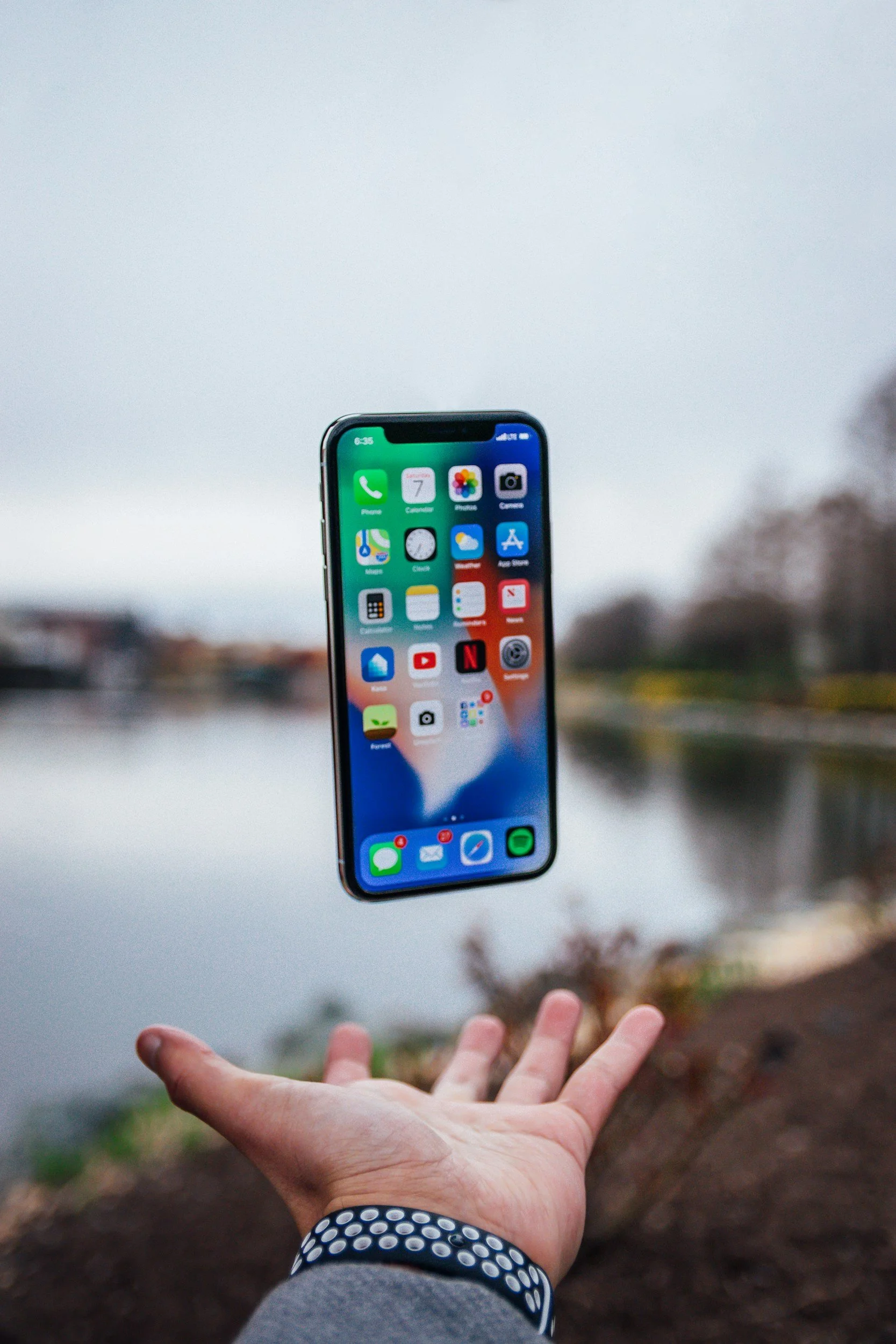
For example, do you frequently use email and cell phone greetings to let people know you are unavailable or on an extended absence? Why?
Today, you can return emails and phone calls from almost anywhere in the world. Before we had cell phones, we put our home phone number on our business cards and told clients to use that number if they needed to get in touch with us.
In more than 10 years, my partner and I only received one phone call at home.
But our clients knew we were available to them.
Contrast that with our former doctor’s office. It was almost impossible to get through to our doctor. Even though we liked him, we eventually left his 20-doctor medical practice.
We now have a new doctor, and we have his cell phone number. We have never used it, but knowing we can if we ever need to is very comforting.
That is the point.

Accessibility is not always about how often people actually contact you. It is about whether they believe they can reach you when it matters.
For business owners and leaders, this is worth thinking about. Your customers may not need constant access to everyone in your company, but they do need confidence that the right person can be reached when there is a real issue, question, or concern.
If customers feel like they are being blocked, delayed, or routed through a maze, trust begins to erode.
On the other hand, if they know someone responsible is available, even if they rarely need to use that access, it can strengthen the relationship.
So here is my question:
What do your customers and clients say about the accessibility of their key contact at your company?
Frequently Asked Questions
What does it mean to be accessible to customers?
It means your customers are confident the right person can be reached when there is a real issue, question, or concern, even if they rarely need that access.
Does perception of accessibility really matter?
Yes. Customers sometimes feel a business is hard to reach even when it isn’t, and that perception alone can affect the relationship.
Do customers need constant access to everyone at a company?
No. They need confidence that the key contact or a responsible person is available when it matters.
What happens when customers feel blocked or delayed?
Trust begins to erode. Being routed through a maze or kept waiting can push good customers away, even ones who like you.
Should I use “unavailable” or extended-absence greetings on email and voicemail?
Tom questions whether they’re needed, since today you can return calls and emails from almost anywhere.
| When customers feel blocked | When customers feel they can reach you |
|---|---|
| Calls and emails go through layers before reaching anyone | They know who their key contact is and how to reach them |
| "Unavailable" greetings signal distance | Messages get returned, even while traveling |
| Trust slowly erodes, and customers may leave | Trust grows, even if they rarely use that access |