

Building a Generous Team in a Tired World
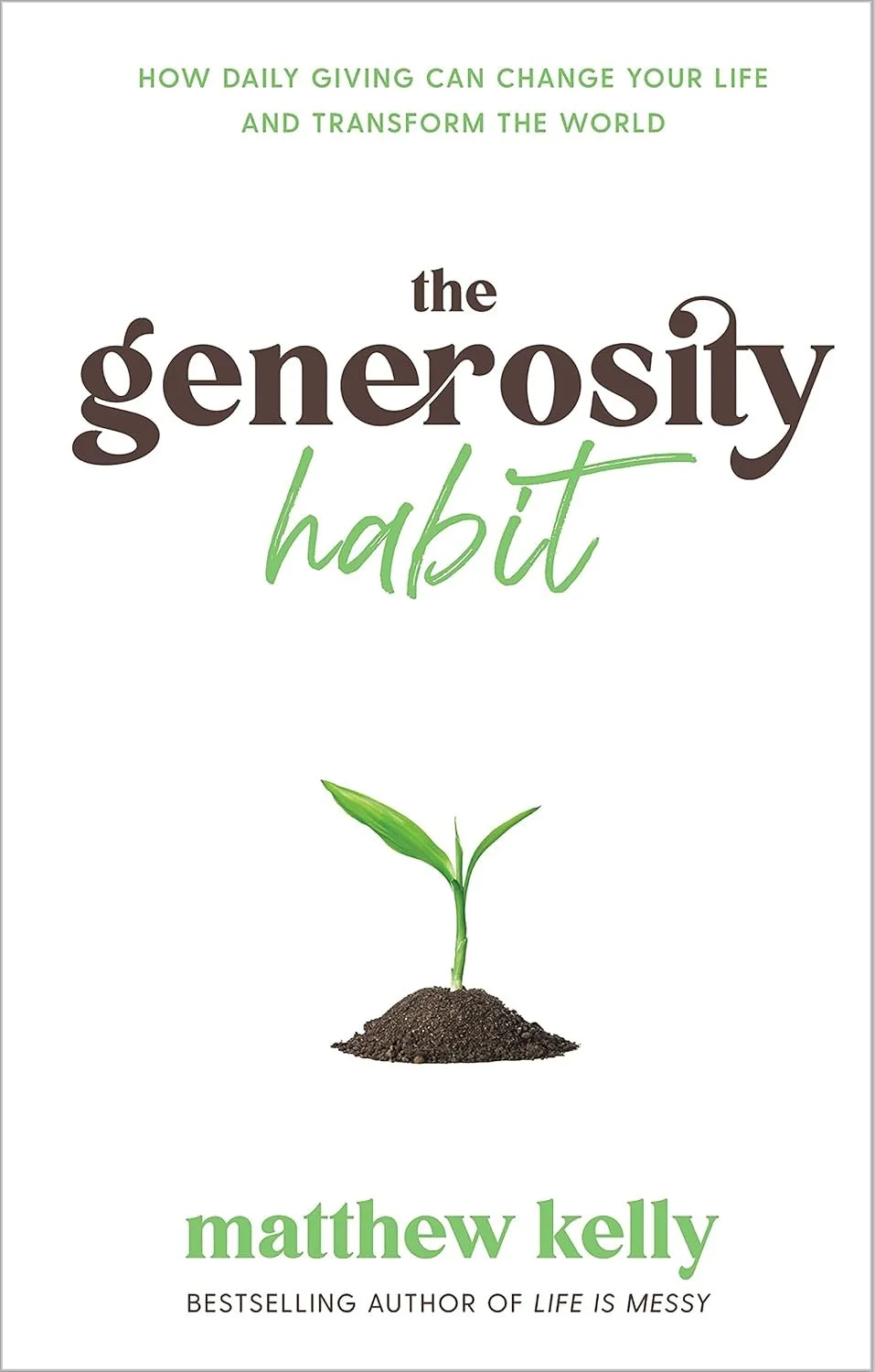
I read Matthew Kelly’s book, The Generosity Habit, during the Christmas season—but the more I sat with it, the more convinced I became that it’s not a “holiday book” at all. It’s a 365-day-a-year message.
Because the truth is, the world doesn’t stop hurting in January.
There is no shortage of need… locally, nationally, globally. And that’s part of what makes generosity feel a little counterintuitive. When you look around and see how many problems exist, it’s easy to assume generosity is only for the wealthy. We tend to picture massive donations, big foundations, or people with last names we recognize.
Kelly dismantles that assumption in a really practical way.
You don’t have to be Jeff Bezos or Elon Musk to be generous. In fact, most of his book is built around 101 creative ways to be generous, and many of them cost nothing. They’re the kind of things you could do on an average Tuesday, between meetings, errands, and making dinner.
Before he gets into the list, though, he shares a few perspectives that really stuck with me.
Number One: Generosity is contagious.
When one person acts generously, it doesn’t just affect the recipient. It affects the observers, too. It reminds people what’s possible. It nudges something awake in us, the part that wants to believe in each other again.
Number Two: He points out that people who are truly living life to the fullest tend to believe two things:
The future can be better than the past.
And they can do something today to help make that future happen.
That’s not just optimism. That’s responsibility, with a little bit of hope attached to it.
Another line that stopped me in my tracks was this idea: the need to give is often greater than other people’s need to receive. Think about that. We assume giving is primarily about what others lack, but generosity also addresses something in us. A longing for meaning. Connection. Purpose. Contribution. It’s one of those “you didn’t realize you needed it until you did it” kinds of things.
Kelly also references research showing that generosity is good for you—improved mood, improved health, gratitude, contentment, and even longer life. That doesn’t mean generosity should be treated like a self-improvement hack, but it does affirm something we’ve all experienced: generosity feels good.
Scientists have even identified one reason why. When you’re generous, your body releases oxytocin, one of the “happy hormones”—which contributes to feelings of warmth, connection, and well-being. (Quick disclaimer: if you’re only being generous for the oxytocin… you may have missed the point.)
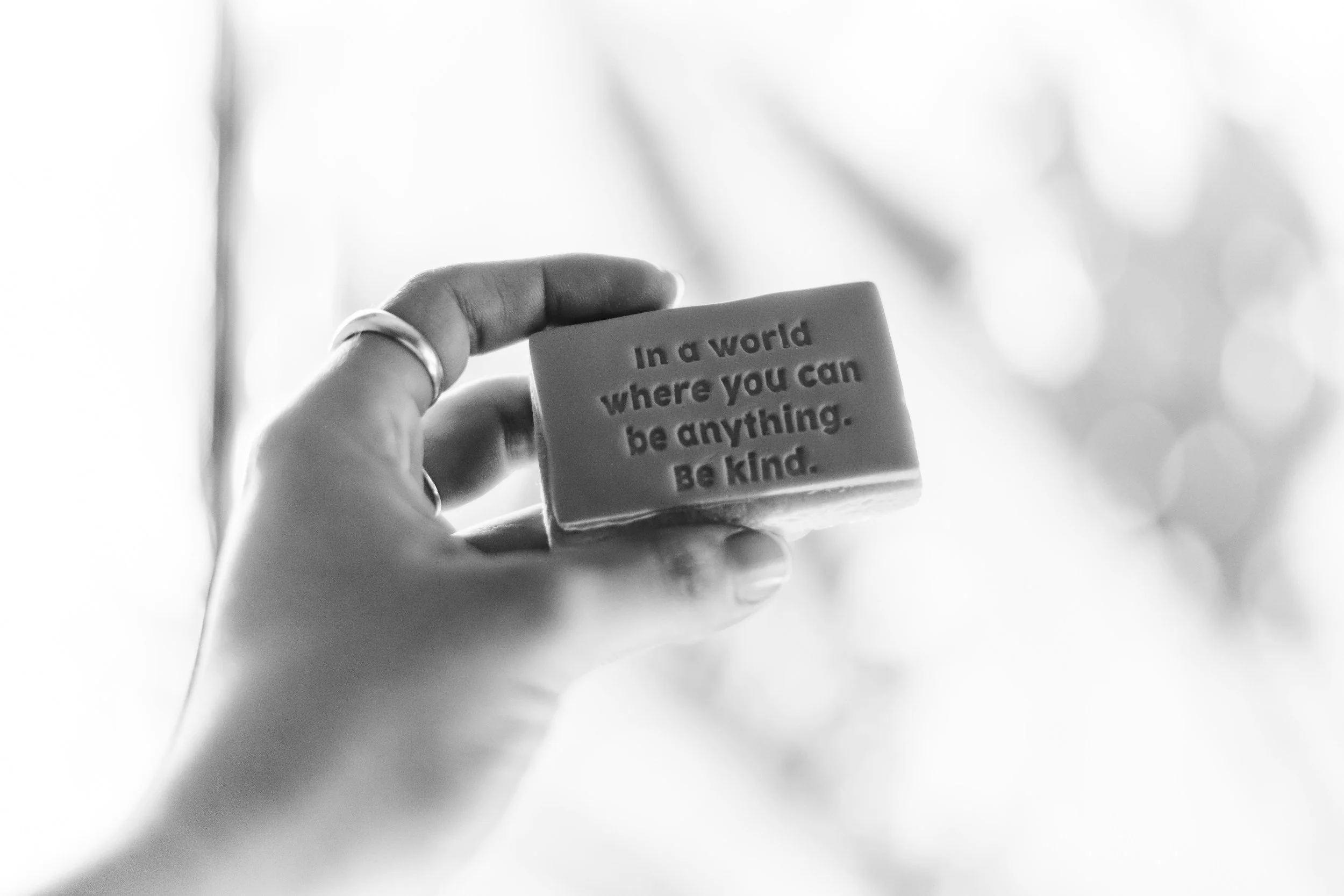
To give you a taste of the practical ideas in the book, here are a few that stood out to me…simple, doable, and surprisingly powerful:
Call someone you haven’t talked to in a while.
Catch someone doing something right. (People are starved for that kind of affirmation.)
Tip generously. Especially right now, when many service workers are carrying more than we realize.
Go out of your way to buy from a small business.
Give blood. (I’ll be honest—this one is hard for me. If the person drawing the blood isn’t skilled, I’ve been known to pass out and create an unintended spectacle.)
Notice when someone is in a hurry and help them get where they’re going faster. After a few years of disruption and stress, this one feels like a small act of mercy.
Smile. It costs nothing and still changes the tone of a room.
Be an ambassador of hope. This one may be my favorite. Hope is one of the rarest and most needed forms of generosity today.
That’s really the heart of Kelly’s message: generosity isn’t reserved for people with extra money or extra time. It’s a habit built through small decisions, repeated consistently, that remind people (and ourselves) that we’re not alone.
If you’re looking for a meaningful read that will challenge you, and that’s in a good way, I’d encourage you to to consider grabbing a copy of The Generosity Habit. Not just to enjoy it, but to apply it.
Another book review you might enjoy: Self-Made Business Owner Book Recommendation: Excellence Wins
Because the best part of generosity is that you don’t have to wait until you’re “ready.”