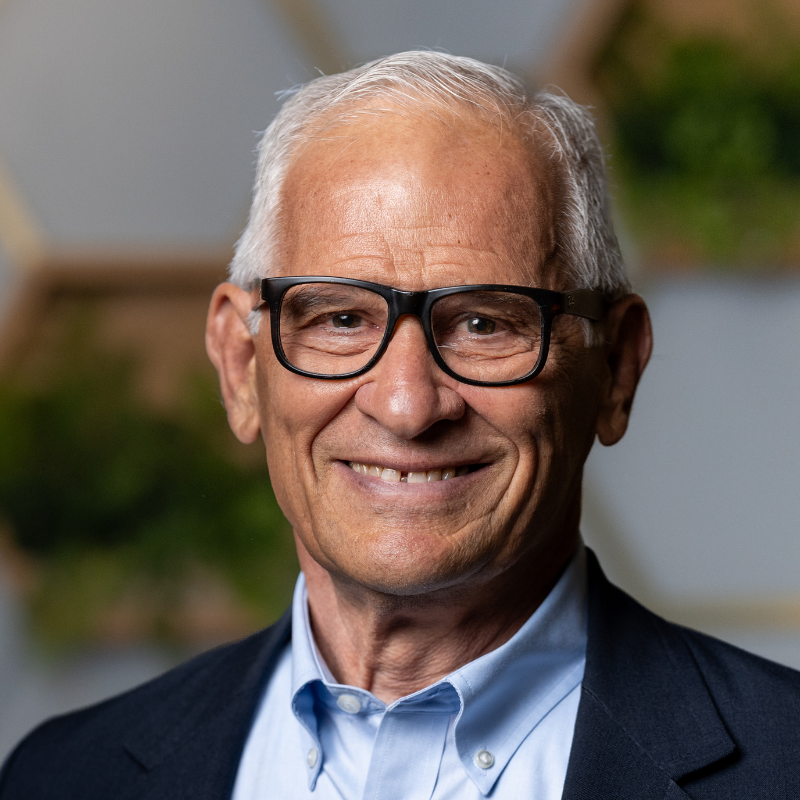

A Conversation with a Legend: Lessons from Ed Parks
Every once in a while, you meet someone who doesn’t just have experience… they have earned wisdom.
That’s how I feel about Ed Parks.
Ed is the kind of leader who has seen enough success, stress, cycles, and personalities to separate what’s important from what’s merely urgent. He’s also the kind of person who never stops learning, never stops preparing, and never stops caring about people.
Noah Morgan is one of those leaders I’ve enjoyed mentoring over the years—sharp, thoughtful, and hungry for more than just the next win. When I suggested he sit down with Ed, it wasn’t because Noah needed another business tip. It was because I knew Ed would challenge him in the right way: not just on money, but on meaning. Not just on leadership, but on legacy.
What you’re about to read is Noah’s reflection on that conversation—along with a few “random notes” Ed took beforehand that, in my opinion, are anything but random. They’re a roadmap. For business, for leadership, and for life.
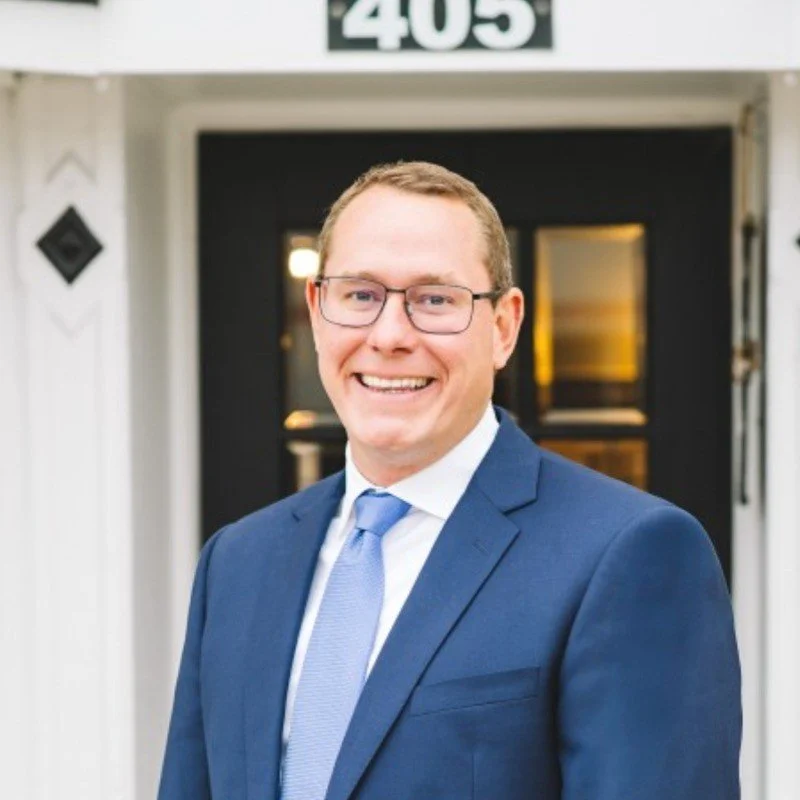
Noah Morgan, MBA, CFP®, EA
Earlier in my journey as a business owner and father of three, I found myself in a season of growth—personally and professionally. My business was thriving, but I still felt a need for deeper direction.
That’s when my longtime mentor, Tom Doescher, extended an invitation that would leave a lasting impact: “I want you to meet my former Plante Moran Managing Partner, Ed Parks. You two should talk about money and the deeper meaning of life.”
When we met, Ed began our conversation with a simple but profound statement:
“Money is neutral. It can either help you grow or be your demise. What you do with it is the difference.”
That lunch turned into a few email exchanges, and eventually, Ed graciously agreed to speak to a group of entrepreneurs I’m part of, thanks to Tom Doescher's leadership and unbelievable networking skills —the Flint Business Executive Forum. At 86 years young, Ed captivated the room with timeless wisdom on business, leadership, and life.
What stood out immediately was his preparation. Before the event, he requested bios and links for each attendee. He wanted to tailor his message to resonate personally with every individual in the room. That alone was a masterclass in leadership: Always be prepared.
Ed shared that we are all standing on the shoulders of those who came before us. He reminded us that while people problems are inevitable, our role as leaders is to cultivate orchards—businesses that bear fruit for generations. Our time is temporary, but our impact can be lasting.
Among his many golden nuggets:
“Never share your problems with someone in a hurry.”
“Seek independent advisors who speak truth.”
“Praise in public, criticize in private.”
“Be great. Stand out.” (a favorite saying of his friend Ken Kunkel)
He emphasized the importance of humility, of honoring and loving others, and of recognizing that success looks different for everyone. As leaders, we must nurture people, treat them fairly, and help them succeed—not just in business, but in life.
That day, Ed Parks didn’t just speak to a room of entrepreneurs—he planted seeds of wisdom that will grow for years to come.
P.S. After the meeting, Ed sent:
Some Random Notes I Made Before Our Visit With the Group (Oct. 2025)
I made a list of good business leaders I have been privileged to serve over a long career. While all were quite different, I looked for what they had in common. And they did have some common qualities:
They were competent in the substance of what they were manufacturing, distributing, or selling. If it were auto part manufacturing, retail auto part sales, building roads, or selling residential homes, their core competencies were strong. Hence, they were respected by the customer for that, and their employees knew they could do what the boss was asking them to do.
They all worked hard, particularly during the growth of their businesses. None, even during their later successful years, got too fancy and forgot the importance of their people.
With one exception, they all delegated well over time.
They paid fairly, but in very different ways.
Most came from humble beginnings; a couple were sons of founders, and one came from a very privileged background.
All had strong moral compasses. One was occasionally unnecessarily tough.
It was interesting to create this list and reflect on these folks.
Quotes I Noted

“Cultivate Orchards - businesses that bear fruit for generations.”
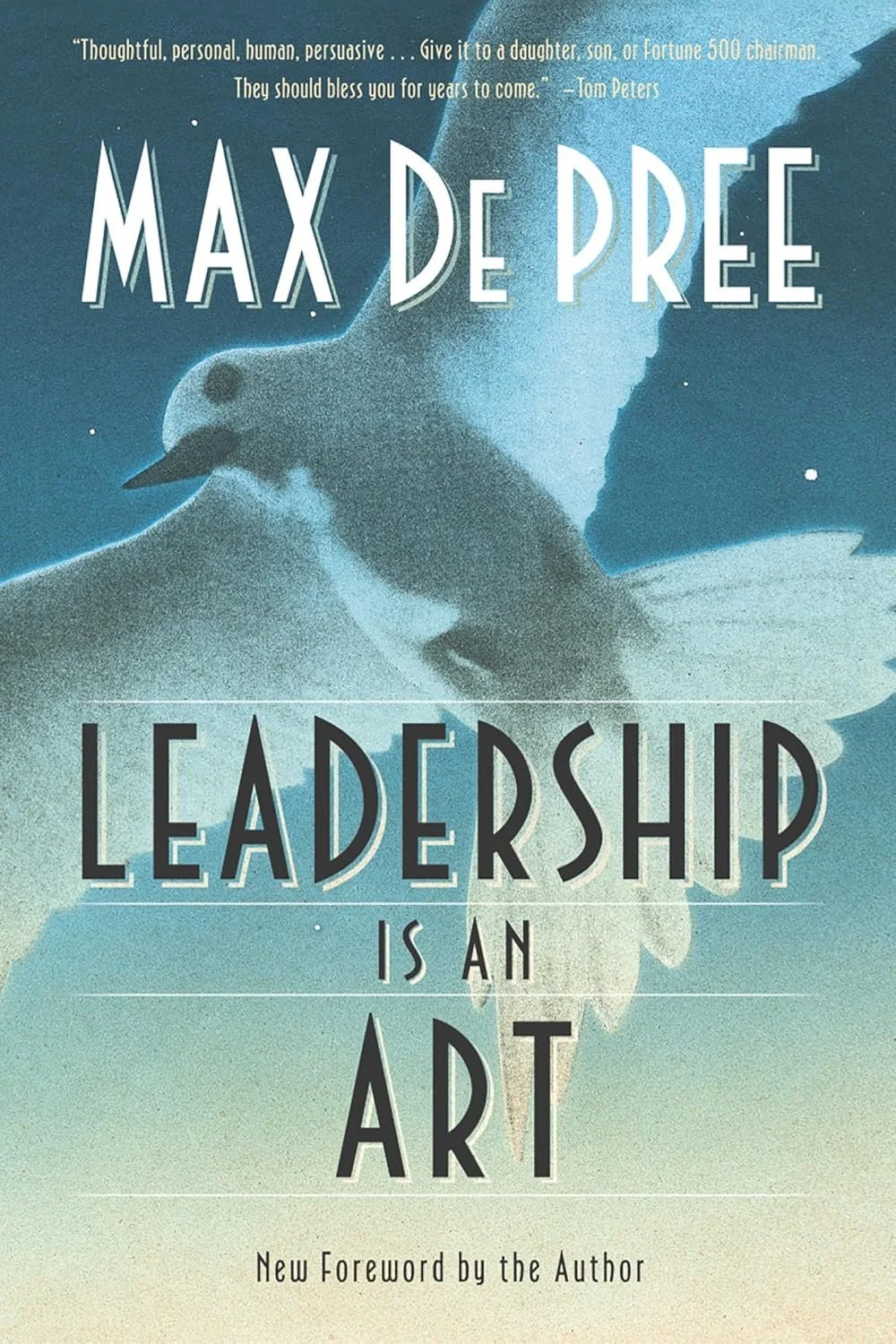
I had made a note of a couple of good quotes—one from Max De Pree, the CEO of Herman Miller, who, late in life, wrote a small book, Leadership Is an Art:
“We cannot become what we need to be if we remain what we are.”
That supplements my other comments about not standing in place, and the necessity for growth in an organization to provide opportunities for those with you.
I think it was someone else (but maybe him), but I wrote down:
“The first role of a leader was to define reality, and the last role was to say thank you.”
And always, as Tom Doescher might repeat often, to those of us who fail in it too often, “Stay on Aristotle’s Golden Mean”—the tightrope of life.
I hope you felt what I felt reading this: gratitude.
Gratitude for leaders like Ed Parks—people who remind us that success is never just about growth, margins, or accolades. It’s about the kind of people you become while building the thing, and the kind of orchard you leave behind for others.
Ed’s reminders are simple, but they’re not easy:
Stay humble.
Work hard.
Delegate over time.
Pay fairly.
Build a strong moral compass.
Seek independent advisers who will tell you the truth.
And, as Ed kindly echoed one of my favorite principles: stay on Aristotle’s Golden Mean—the tightrope between extremes.
If you’re a business owner, here’s the question I’d leave you with:
Who is helping you see what you can’t see right now—and who are you intentionally preparing to lead after you?
That’s where coaching and mentoring become more than “nice ideas.” They become strategy.
If you’d like help building leaders around you (and reducing the weight on your shoulders), we’d love to talk. Because the best businesses aren’t just built to win today—they’re built to last.
—Tom