


When I originally wrote about these new business development principles back in 2015, Doescher Advisors was still in its earlier years, and I was reflecting on several books, conversations, and client experiences that had shaped my thinking. A lot has changed since then.
The tools have changed. The technology has changed. The pace of communication has certainly changed. Today, business development can involve CRMs, email sequences, LinkedIn outreach, webinars, AI tools, automation, analytics, and more platforms than most of us can keep up with. A lot has changed, but the core principles have not changed very much.
At its best, business development is still not about manipulation, pressure, or chasing every possible opportunity. It is about trust. It is about fit. It is about understanding what clients and customers really need, helping them think more clearly, and having the discipline to spend your time on the right opportunities. That is still true today.
Are You Helping, or Are You Selling?
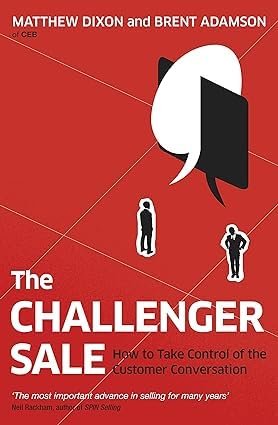
Years ago, in preparation for a blog series, I read The Challenger Sale, by Matthew Dixon and Brent Adamson. One of the ideas that stood out to me was that the most effective business developers do more than explain their products or services.
They teach.
They tailor their message.
They take control of the process in a helpful and professional way.
In other words, they bring value to the conversation. That idea still resonates with me.
In my experience, the best business developers are not simply trying to “sell” someone. They are trying to help that person make a better decision. They offer useful perspective. They help clients or customers understand their options. They point out risks. They help people avoid mistakes. They bring clarity. That is a very different posture.
Most business owners and leaders can feel the difference between someone who is truly trying to help and someone who is simply trying to close a deal. The first builds trust. The second often creates resistance.
So here is a simple question worth asking:
When prospects interact with your company, do they feel helped, or do they feel sold?
Are You Accessible?
This may sound almost too simple, but I believe it remains one of the easiest ways to distinguish yourself from competitors. Be accessible.
Answer the phone. Return the call. Respond to the email. Follow up when you said you would follow up.
I realize everyone is busy. I also realize that technology has made it possible to automate, route, screen, filter, and delay almost every form of communication. Some of that is useful. But too often, businesses hide behind technology in ways that make life harder for their clients and customers. If a good client cannot easily reach you, that is a problem. If a prospect is interested but cannot figure out how to speak with a real person, that is a problem. If your team is slow to respond because everyone assumes someone else will handle it, that is a problem.
Accessibility is not complicated, but it does require discipline. It also sends a message. It tells your clients and customers that they matter.
Have you evaluated your client or customer touchpoints lately? Have you asked your best clients what it is like to do business with you? You may be surprised by what you learn.
Related Post: Are You Really Accessible to Your Customers?
Do You Have the Courage to “No Quote”?
One of the traps many companies fall into is quoting too much low-probability work. I understand the temptation. Preparing a proposal can make us feel productive. It feels like activity. It feels like progress. It feels like we are doing something that might lead to new business. But not every opportunity deserves your time. In fact, some opportunities are a distraction from better ones.
Over the years, when I have reviewed client data related to quotes and proposals, I have often seen a very low success rate. Sometimes the problem is pricing. Sometimes the prospect is not a good fit. Sometimes the company does not have a strong enough relationship with the true decision-maker. Sometimes the prospect is simply collecting bids.
Whatever the reason, the result is the same: a lot of time and energy spent on opportunities that were never very likely to close. That leads me back to one of my favorite Doescher Group Executive Coaching proverbs:
It is better to be profitable than busy.
Today, I might say it this way for business owners: Revenue is good. Better-fit revenue is better.
If your team is overwhelmed, your margins are thin, and your best people are spending too much time chasing poor-fit opportunities, it may be time to develop more discipline around when to quote and when to walk away.
Are You Choosing the Right Clients?
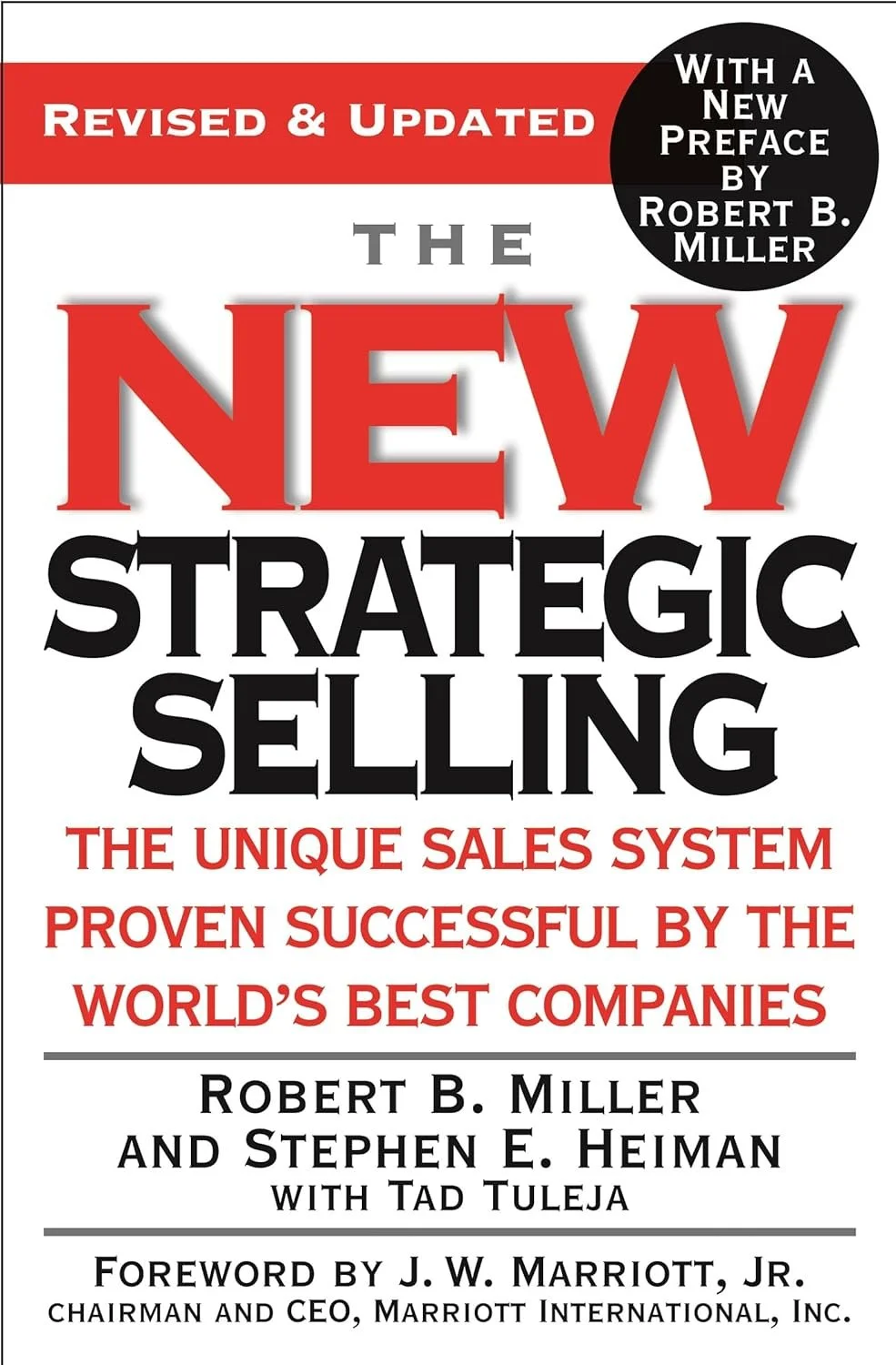
In The New Strategic Selling, by Robert B. Miller, Stephen E. Heiman, Tad Tuleja, and J.W. Marriott, the authors encourage readers to think carefully about the characteristics of their best and worst customers. That is still excellent advice. Many companies spend a great deal of time trying to win new clients, but far less time defining what kind of client they actually want to win. That is a mistake.
Your ideal client or customer is not simply the one who can pay the invoice. Your best clients trust your performance. They value quality. They want a win-win relationship. They operate with integrity. They are willing to pay for value. They communicate honestly.
Your worst clients may be the opposite. They may be inflexible on price, slow to decide, unwilling to cooperate, secretive, disloyal, or determined to win at your expense.
That kind of client can drain your team, weaken your culture, damage your margins, and pull your company away from better opportunities. This is a hard truth for many business owners: Not all revenue is good revenue.
If you are serious about building a stronger, healthier, and more valuable company, you need to know who your ideal clients are. You also need the courage to separate from the clients who are no longer a good fit. That may feel risky in the short term, but it can be very healthy for the business over time.
Do You Understand How Your Clients Buy?
Another valuable idea from The New Strategic Selling is that most buying decisions involve several types of influence. There may be an economic buyer who gives final approval. There may be users who will actually live with the product or service. There may be technical influencers who have veto power. And there may be coaches, or insiders, who help you understand the process and navigate the organization.
In my experience, many sales are lost because the business developer did not understand the full buying process.
• They had one good relationship, but not the right relationships.
• They had interest, but not approval.
• They had a champion, but no budget.
• They understood the stated problem, but not the internal politics. This matters.
If your company sells to other businesses, especially if the sale is complex or consultative, your team needs to understand how decisions are really made. That does not mean being manipulative. It means being thoughtful, prepared, and professionally curious. Those are important questions.
• Who will use what you provide?
• Who has final approval?
• Who could stop the decision?
• Who understands the internal dynamics?
• Who wants you to succeed?
Are You Too Focused on Your Competitors?

I have written before about the danger of talking down about competitors. I still believe it is usually a mistake. There may be times when you need to clarify misinformation or explain meaningful differences. But if the conversation becomes too focused on your competitor, you are probably in dangerous territory. The better focus is the client.
• What do they need?
• What problem are they trying to solve?
• What outcome are they hoping for?
• What risks are they trying to avoid?
• What would success look like for them?
When a company spends too much time talking about competitors, it can unintentionally make the competitor the center of the conversation. That is rarely helpful. Your job is not to obsess over the competition. Your job is to understand your client and provide a customized solution to a real problem.
Are You Still Using an Old Sales Mentality?
One of the quotes that stood out to me years ago from The New Strategic Selling was the authors’ warning to leave the “old-time huckster philosophy” in the past. I loved that.
The best business development is not about pretending, pressuring, or pushing people into something they do not need. It is about finding a real fit between what you provide and what the client actually needs. That requires patience. It requires credibility. It requires listening. It requires low-pressure relationship building. And, sometimes, it requires the maturity to say, “I do not think we are the right fit for this.”
That kind of honesty may cost you a sale in the moment, but it builds trust over time.
Are You Motivating Your Business Developers the Right Way?
One more point from The New Strategic Selling is worth revisiting. The authors noted that many people assume top salespeople are motivated only by money, but their research suggested that job satisfaction, recognition, and challenge also matter a great deal. I believe that is still true.
But if you want to build a strong business development team, do not assume that money alone will create the behavior, discipline, and judgment you want. Strong business developers also need clarity. They need coaching. They need recognition. They need meaningful goals. They need to believe in what they are offering. They need to feel proud of the clients they are bringing into the company. If the only thing you measure is activity, you may get activity. If the only thing you reward is closed revenue, you may get revenue that is not always healthy. But if you teach your team to pursue the right clients, ask better questions, understand the buying process, and create real value, you have a much better chance of building sustainable growth.
What Still Matters
When I look back at these ideas now, I am struck by how practical they still are.

• Help more than you sell.
• Be accessible.
• Do not quote everything.
• Know your ideal client.
• Understand how buying decisions are made.
• Focus more on the client than the competition.
• Leave the huckster mentality in the past.
• Motivate your business developers with more than money.
None of that is trendy. None of it depends on the newest tool or platform. But all of it matters.
At Doescher Group, we spend a lot of time talking with business owners and leaders about building stronger, healthier, and more valuable companies. Business development is a major part of that conversation, but not merely because companies need sales. They need the right sales.
So here is my question for you: Is your business development effort helping you build the company you actually want, or is it simply keeping you busy?