

Three Books That Shaped My Thinking on Leadership and Business
As many of you know, I love to read. In fact, some of you have been members of my book club for a while.
So today, I’d like to share three books with you, along with why I found them so helpful. Each one challenged or encouraged me in a different way, and each has useful applications for business owners, executives, and leaders who are trying to build stronger organizations.
1. Drive: The Surprising Truth About What Motivates Us
by Daniel Pink
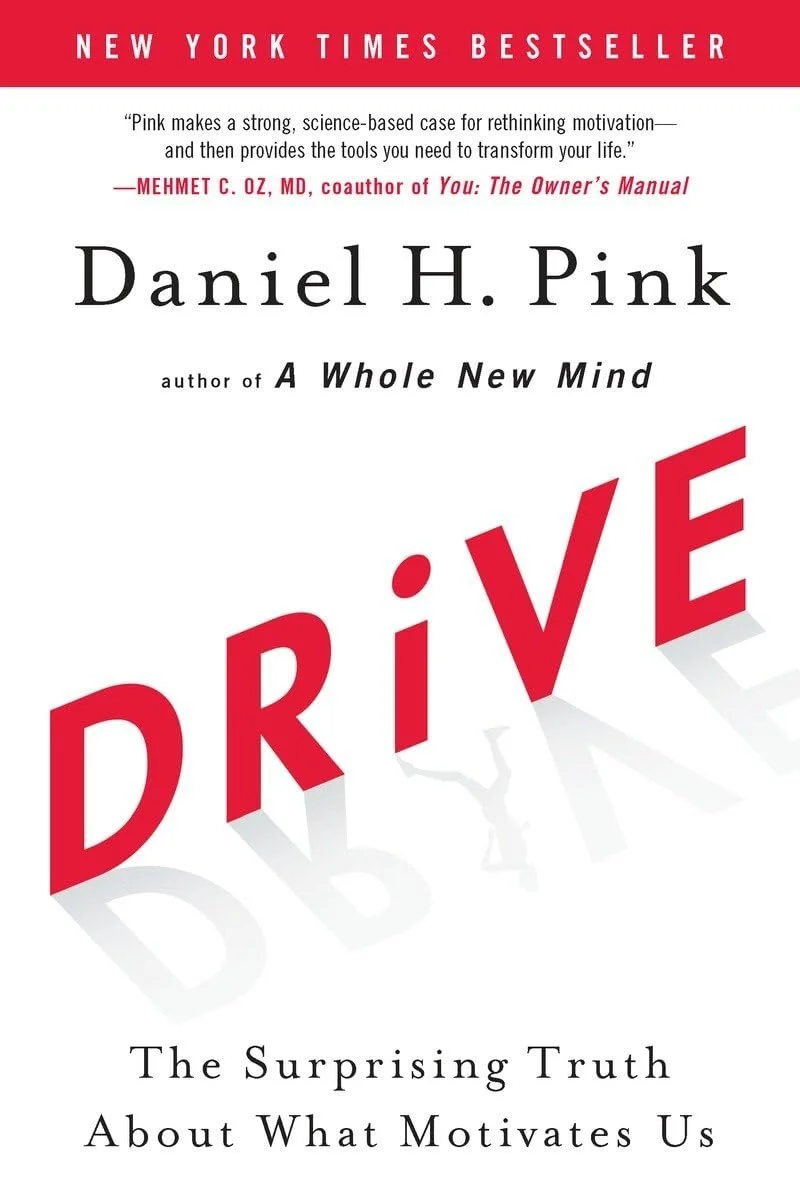
Pink makes the case that it takes three elements for an organization to motivate its team: purpose, autonomy, and mastery.
Why did I like this book so much?
Pink’s conclusions are data-driven. They are not just his opinions. He cites multiple studies conducted over the years by institutions like Harvard, Stanford, Wharton, and others.
It is an easy read, very practical, and, most of all, it reminded me of Frank Moran, founder and former managing partner of Plante Moran, where I had the privilege of spending many years.
For business owners, this book is a helpful reminder that compensation matters, but it is not the whole story.
People also want to know their work has meaning, that they have room to use good judgment, and that they can continue getting better at what they do.
2. Thou Shall Prosper: Ten Commandments for Making Money
by Rabbi Daniel Lapin
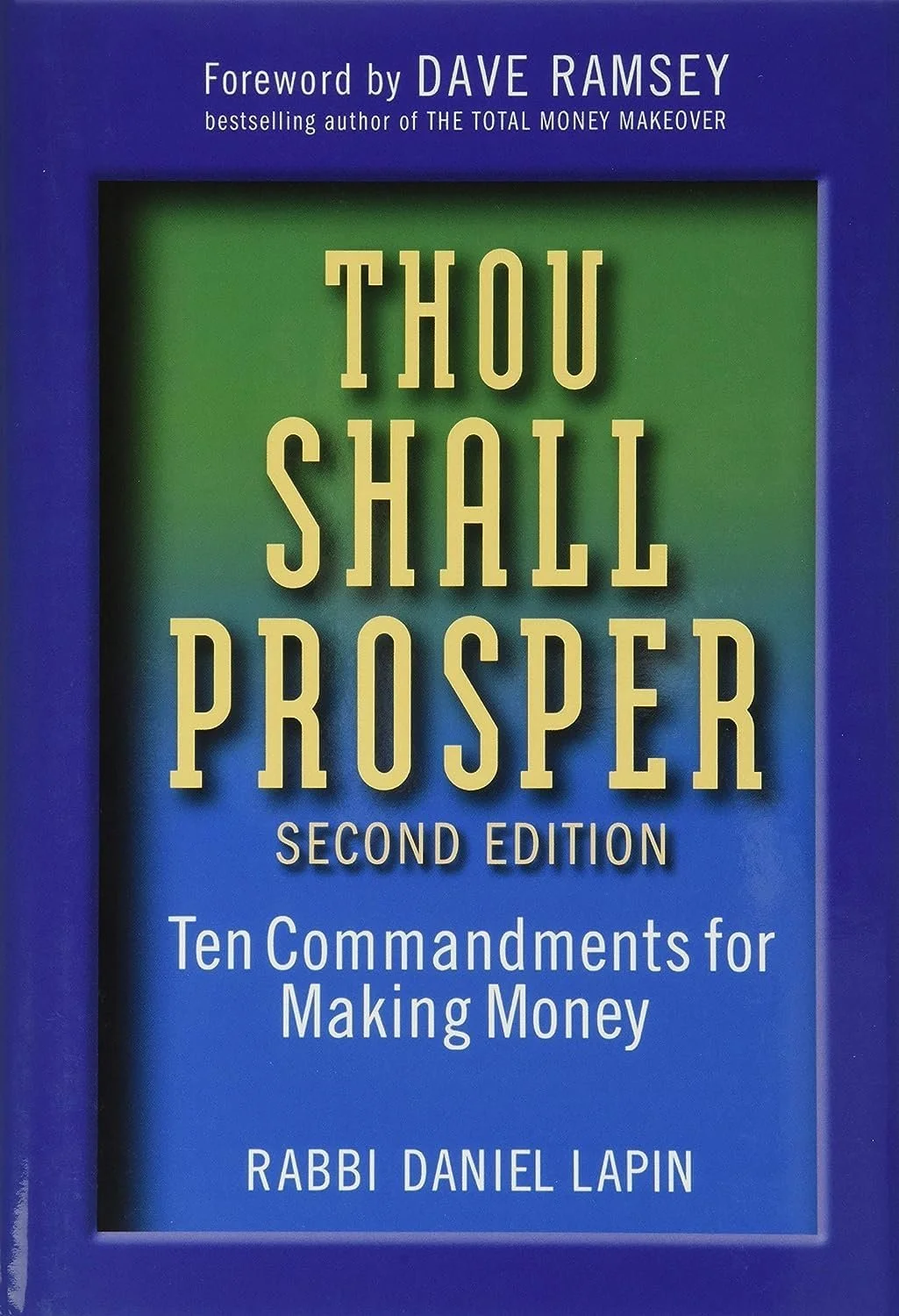
Rabbi Lapin, a modern orthodox rabbi, wrote this book to help his readers understand why Jews have been so successful in business over the centuries.
He bases his comments and conclusions on the Torah, the Talmud, and the Hebrew language.
Why did I like this book so much?
Rabbi Lapin makes a strong case for the importance of for-profit businesses. In addition to his stated purpose, he covers a variety of other useful business subjects, including retirement.
As a businessman, I found the book refreshing and very encouraging.
In a time when business owners are sometimes made to feel guilty for pursuing profit, I believe this book offers a needed perspective.
A well-run business can create value for customers, opportunities for team members, support for families, and resources for communities.
3.Necessary Endings: The Employees, Businesses, and Relationships That All of Us Have to Give Up in Order to Move Forward
by Dr. Henry Cloud
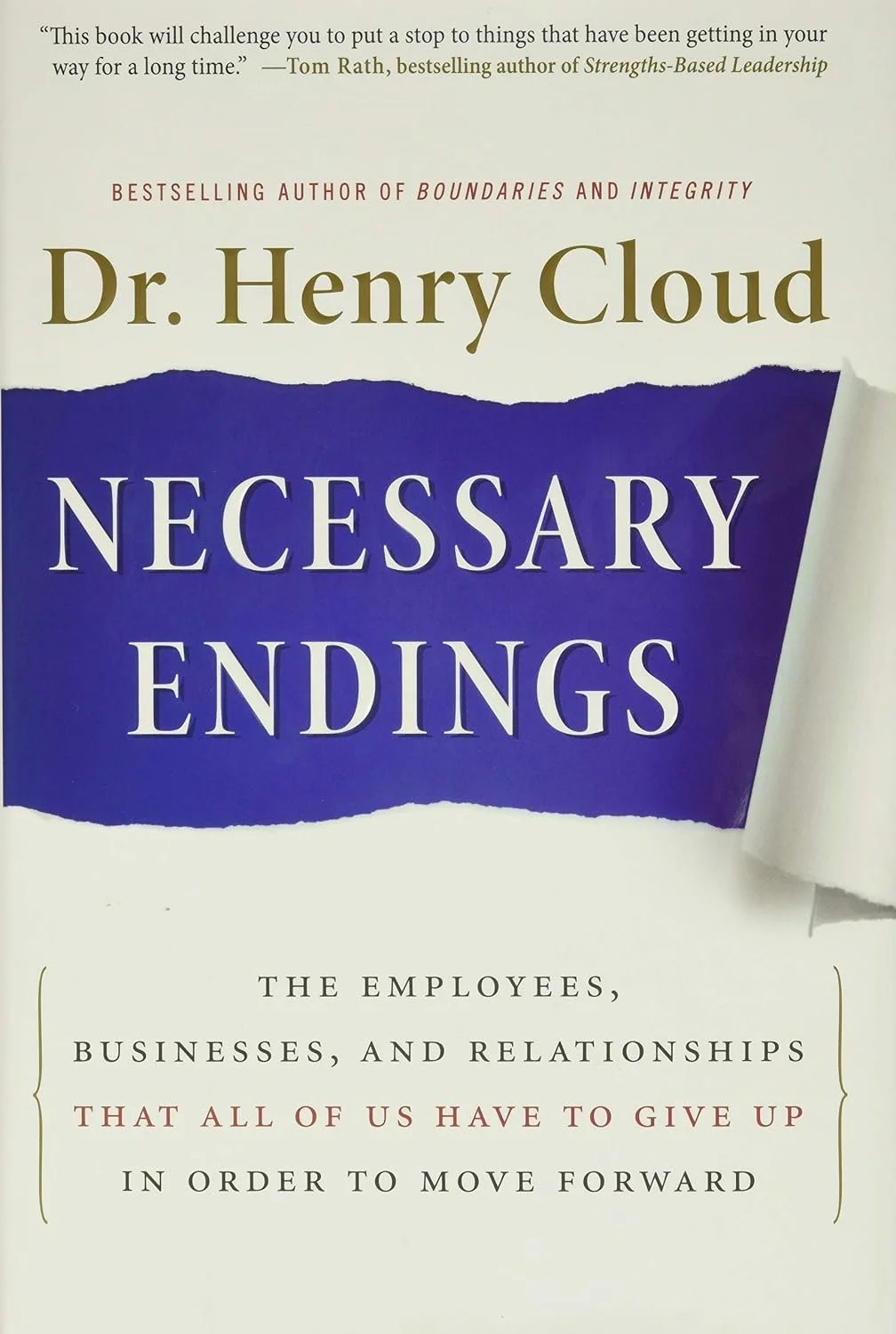
This book provides extremely practical advice on dealing with team members who have not grown with the company, are in the wrong position, or need to leave the company.
When I read it, I thought of so many businesses that are being held back by one key person.
Why did I like this book so much?
The advice is both compelling and useful. I have recommended this book to a number of owners and executives already.
This may be one of the harder leadership lessons.
Sometimes moving forward requires pruning.
That does not mean being careless with people. It means being honest about what is healthy, what is no longer working, and what needs to change for the good of the person and the organization.
What are Your Favorite Books?
So, those are three of my favorites. What are your favorite books, and why?
The right book can sharpen your thinking. The right conversation can help you apply it.