

Your Hidden Competitive Advantage: Why Trade Secrets Are Often More Valuable Than Patents
There’s a reason your business is more successful than your competitors – and it’s your secret sauce.
It’s your unique process. The extra step you add. The quality checks others skip. The counterintuitive strategy that consistently produces better results. That little thing you do differently that makes all the difference.
These are your trade secrets, and they are the most valuable forms of IP (intellectual property) that make your business unique, profitable, and desirable to potential buyers and investors.
Why Most Business Owners Misunderstand Intellectual Property
When we get started with a new client at Doescher Group, we often begin with a FieldReady™ Assessment. (Read more about that here.) One of the sections that stumps a lot of the self-made business owners we work with is their intellectual property. Most people hear IP and think of patents, trademarks, and copyrights.
And yes, in the United States, these are forms of government-sanctioned IP. They provide the exclusive right to an invention, a mark, or a piece of creative content.
But most businesses we work with have none of this. Some have patents, mostly expired or unused, while others might have trademarked the company name or logo. But rarely is this form of IP relevant to their business.
Not to worry. I would argue that for most small to lower middle market businesses, if you’re successful, you have an even more valuable type of IP: your trade secrets.
What Are Trade Secrets and Why Do They Matter?
A trade secret is something built into the DNA of what you do as a company that’s not visible to the outside world. It’s your process. Your know-how. It could be your software code. It could be a secret design you maintain. Or your secret formula.
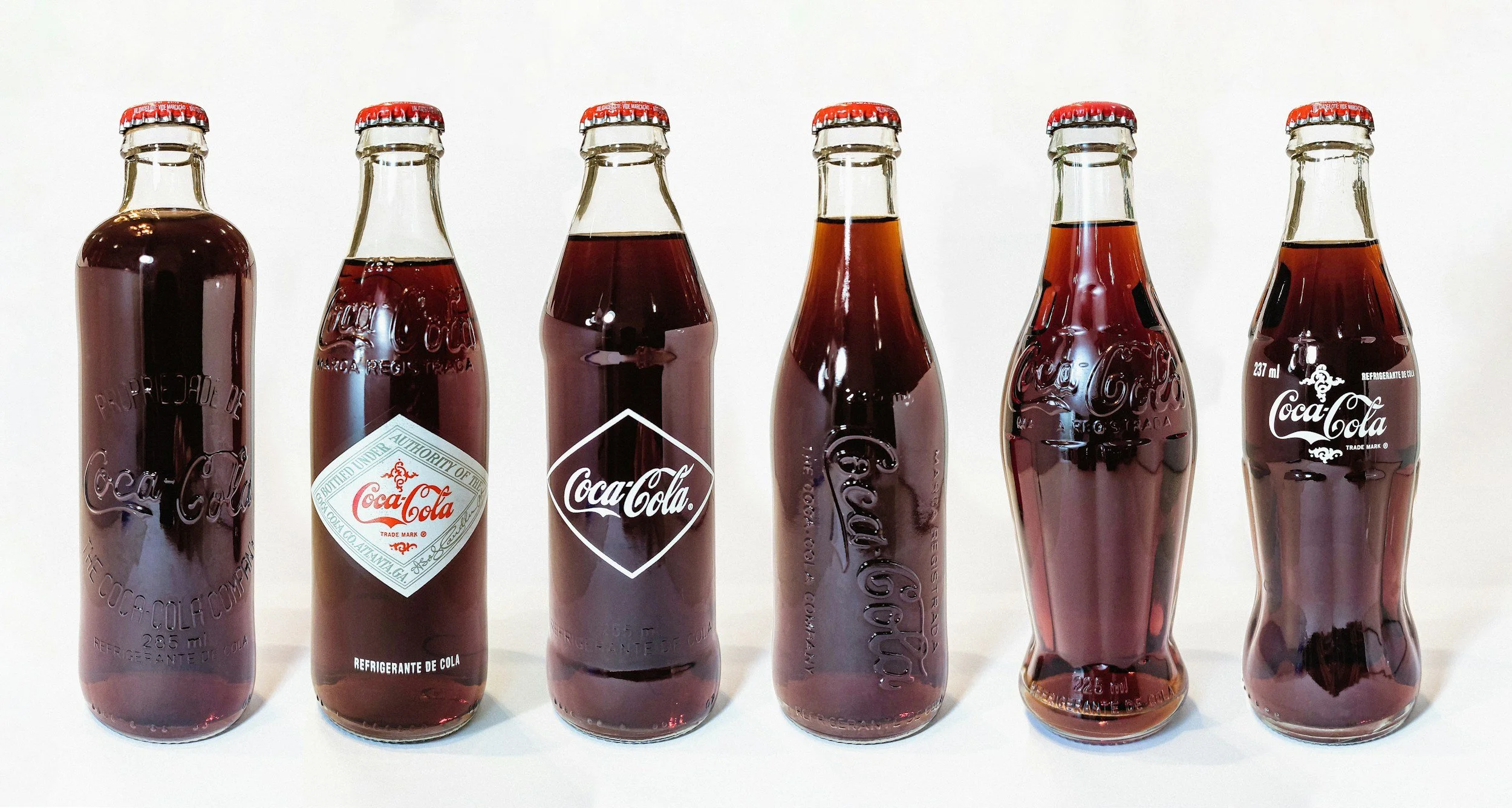
To use a famous example, the recipe for Coca-Cola has been a trade secret since 1886.
Why not patent something to have genuine IP versus keeping it a secret?
Well, the answer is in the question. Patent comes from the Latin word “patens,” which means to lie open, be exposed, or be revealed. So a patent represents a deal with the governing authority, which essentially says, if you are willing to expose your secret, we will let you have a monopoly on that revealed secret for approximately 20 years. But after that point, it will be public knowledge that anyone can use.
Now it becomes clear that for Coca-Cola, this would have been an absolute calamity. In 1906, the formula would have been available to everyone. How many hundreds of billions of dollars of profits would have been lost by Coca-Cola shareholders had they made that decision? And how much mystique does the secret itself add to the brand?
Why Patents Are Often the Wrong Choice for Small Businesses

The same goes for you with your business. Don’t tell the world about your secrets. Not only will you have limited protection (~20 years), but there are also the costs of protecting your patents to consider, chiefly the legal fees to sue infringers. Not to mention, the overseas competitors who could steal your revealed designs that are outside of the reach of the US Patent and Trademark Office.
For this reason, I think that trade secrets are the best form of IP protection for a small business. Now, as it relates to building a valuable company, it is critical to protect those secrets. But it is also critical to document these secrets.
When it comes time to sell or scale, these trade secrets become part of the value you will demonstrate to potential investors.
If your know-how is “one-of-a-kind,” your customers will want what you have. Your IP, your secret sauce, is what allows you to deliver better results.
When you’re a nicely profitable business, a potential investor or buyer will want to know why.
The answer is in your secret sauce, your trade secrets. Buyers are not just purchasing financials. They are buying repeatable, future performance.
The clearer you can explain:
What makes your business different
Why competitors cannot easily replicate it
How your results are produced
The better you can articulate this, the more a buyer will be willing to pay for your company.
How Doescher Group Helps You Identify and Protect Your IP
That’s where Doescher Group comes in.
We help business owners look at their companies with fresh eyes, see the IP you might be taking for granted, and help you articulate and explain it in a way that positions you for the best possible offer.
The first step is to do the FieldReady™ Assessment.
This assessment helps uncover the hidden drivers of value in your business and positions you for the strongest possible outcome, whether that is growth, transition, or exit.