

Getting everyone on the same page starts with making the company’s purpose clear. When leaders consistently explain why the organization exists and why its work matters, team members can make better decisions, collaborate more effectively, and connect their daily responsibilities to a larger goal.
I have been interacting with some folks at Northwood University and discovered that every semester, the entire faculty and student body reads the same book. Sometimes, the author makes a presentation the following semester to the faculty and students.

I am aware that some company leadership teams follow this practice, too. As I reflected on it, I thought, what a powerful way to get the entire team on the same page.
You may want to consider this idea for your leadership team, or maybe even all your associates. In a business, especially an owner-operated business, it is easy to assume everyone understands where the company is headed and why it matters. But assumptions are dangerous.
A company’s “why” is the purpose behind its work: the reason the organization exists, the people it seeks to serve, and the difference it intends to make.
A Shared Idea Can Create a Shared Language
A shared book, article, podcast, or leadership discussion can create a common language. It gives the team something to think about together, talk about together, and apply together. That kind of alignment does not happen by accident.
At the time, the book being read at Northwood University was Start With Why: How Great Leaders Inspire Everyone to Take Action, by Simon Sinek.
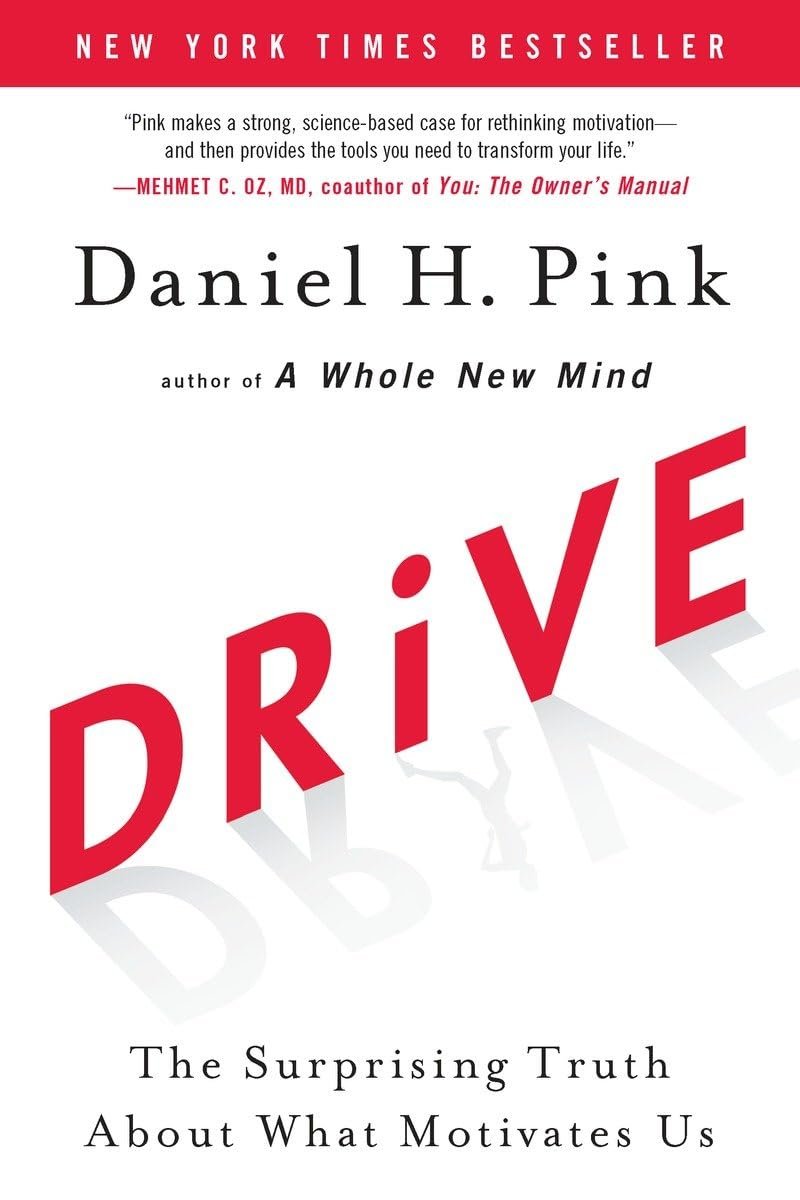
In the past, I have endorsed Drive: The Surprising Truth About What Motivates Us, by Daniel Pink. One of the three elements of true motivation, according to Pink, is purpose. I believe Sinek’s book is totally focused on knowing your purpose.
Some obvious examples of how great leaders have inspired our nation include President John F. Kennedy’s challenge to put a man on the moon, Dr. Martin Luther King Jr.’s call for others to help make his dream become reality, the way Apple under Steve Jobs changed several industries, and the way Google, under its leadership, delivered information to people around the world.
On a more local scale, Frank Moran of Plante Moran talked about his firm becoming the Mayo Clinic for businesses.
The key to how these leaders motivated others to succeed and pursue a vision is that the leaders themselves could articulate why they wanted to achieve whatever it was they wanted to happen.
That matters in business. Team members may understand what you do. They may even understand how you do it. But if they do not understand why the work matters, you may never get their full energy, creativity, or commitment.
The following are a few of my favorite quotes from Sinek’s book:
“Leading, however, means that others willingly follow you, not because they have to, not because they are paid to, but because they want to.”
“What all great leaders have in common is the ability to find good fits to join their organizations.”
“When a team of experts comes together they often work for themselves and not for the good of the whole.”

“If you have the discipline to focus on the early adopters, the majority will come along eventually. But it starts with Why.”
“Volkswagen, translated, means ‘people’s car.’”
“The single greatest challenge any organization will face is success.”
That last quote is worth pausing over. Many business owners spend years trying to become successful, only to discover that success creates its own challenges. Growth can create complexity. More customers can strain the team. More opportunity can blur focus. A larger company can drift from the original purpose if leaders are not careful.
In closing, Sinek tells a story about an annual event in Boston called the Gathering of Titans, whose attendees include highly successful entrepreneurs. When participants were asked how many had achieved their financial goals, 80 percent raised their hands. Then they were asked whether they felt successful, and 80 percent of the hands went down.
That seems to demonstrate that even business owners are searching for purpose, or a “why.”
So here is the challenge: make sure your “why” is clear to everyone in the company.
Three Questions Every Leadership Team Should Answer
Can your leadership team explain it?
Can your associates connect their daily work to it?
Can your customers feel it in the way you serve them?
If not, it may be time to get everyone on the same page.
How to Start a Shared Leadership Discussion
Choose one book, article, or podcast connected to a current company priority.
Ask each leader to identify one idea the company should apply.
Discuss how the material connects to the company’s purpose.
Agree on one action the team will take.
Revisit that action at the next leadership meeting.
If your team understands what you do but struggles to stay aligned around why it matters, we can help you create the clarity needed to lead with purpose.