

Tired of Cash Flow Surprises In Your Business? Here's How to Get Out in Front of Them - Liquidity is Key!
Cash is the lifeblood of any business. Many entrepreneurs have learned to pay close attention to profit, but cash is what actually keeps the doors open, pays employees, and funds growth. That is exactly why cash flow forecasting for business owners is so important.
What Is Business Liquidity? (And How to Know If Yours Is Strong Enough)
Cash isn’t just what you have on hand at the end of the year. It’s looking at each month ahead and understanding where you’ll stand.
Understanding your true cash situation – which includes your liquidity position - and engaging in thoughtful planning can make the difference between starting next year strong or scrambling to catch up.
Now I sincerely hope that you had a banner year last year, and you want to take cash out of the business. But before you do that, understanding your cash flow for each month next year is key.
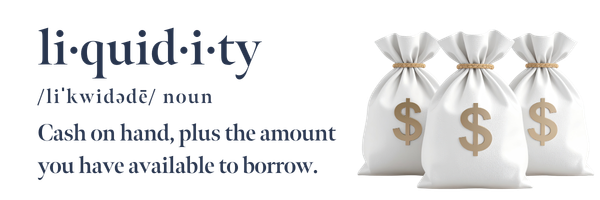
At its core, cash flow measures how money moves in and out of your business, and – crucially – when. Even profitable companies can struggle if they don’t have enough cash on hand at a crunch moment to meet short-term obligations. Expenses such as payroll, rent, inventory, and taxes don’t wait, and a lack of liquidity can quickly create stress. Some expenses may be front-loaded in the first part of the year, and others vary widely month to month, which is why actively forecasting your cash flow throughout the year can help you stay prepared.
Year-End Is the Right Time to Look Ahead — But Any Time Beats Waiting
Year-end planning provides a natural opportunity to evaluate your financial health. It allows business owners to review cash inflows, identify spending patterns, and anticipate upcoming obligations. This process helps uncover inefficiencies, from slow-paying customers to unnecessary expenses, that may be restricting liquidity. Understanding these issues before the new year can significantly improve financial stability.
But don’t worry if you accidentally missed that moment at the end of last year– it’s still better to do it NOW than to put it off.
3 Ways Cash Flow Forecasting Protects Your Business (Tax Planning, Growth Decisions, and Resilience)

Projecting cash flow helps businesses prepare for seasonal fluctuations, planned investments, or potential downturns. A clear forecast enables you to make smarter decisions, such as whether it’s the right time to hire, purchase equipment, or expand operations. It also reduces the risk of unpleasant surprises when cash needs peak.
Tax planning is another key component tied closely to cash flow. Strategic decisions - such as accelerating expenses, deferring income, or taking advantage of available deductions -can have a meaningful impact on year-end cash balances. Coordinating with your accountant and/or (F)CFO before the year closes ensures you’re not leaving money on the table or creating unnecessary cash strain when tax payments come due.
Strong cash management also builds resilience. Businesses with healthy reserves are better equipped to handle unexpected challenges, be it an economic slowdown, supply chain disruption, new tariffs causing prices to rise, or an emergency repair expense to vital equipment. Year-end and the beginning of the new year are the ideal times to assess whether your cash buffer is sufficient and to set targets for improving liquidity and improving your business cash flow in the year ahead, but it’s better to do it any time than put it off another year.
How to Move from Reactive Cash Management to a Proactive Financial Strategy
Ultimately, cash planning is about control and confidence. It lets you move from a reactive concern into a proactive strategy. This is the heart of cash flow forecasting for small business owners. By understanding where your cash stands today and planning cash needs for every month down the road, you can position your business for smoother operations, more stability, smarter growth, and greater peace of mind.
Taking the time to focus on cash flow and plan your next move isn't just good financial practice — it's a strategic investment in your business's future. And the good news? You don't have to figure it out alone or all at once. Start by getting clear on where your cash actually stands, month by month, and build from there.
If reading this made you realize you're not totally sure where your cash stands month to month — that's exactly what we built our free DIY Budget tool for. It gives you a practical starting point to map your cash flow, spot gaps before they become problems, and plan smarter for the year ahead. Download the free DIY Budget here. When you're ready to go deeper, our team is a conversation away
Need a Budget
That Actually Works?

Free DIY Budget Template for Business Owners
Download our DIY Budget Template, with step-by-step instructions to build a clear financial foundation for your business.
Want a CFO Watching
Your Cash Flow?

Our Fractional CFO services bring budgeting, forecasting, and financial leadership to your business — on your terms.