


Coach's Corner
Welcome to Coaches Corner.

Hi, I’m Tom,
After decades of walking alongside leaders, I’ve found that growth—personally and professionally—often feels like navigating a winding mountain trail. There are ridgelines with clear views, stretches of steep ascent, and moments when the path bends unexpectedly.
This blog is a place to share practical insights and real-world lessons to help you find your footing and move forward with confidence.
Thanks for stopping by.
I’m grateful to be part of your journey.

Step 5: Compete from Your Strengths, Not Your Competitor’s Playbook
Competition matters, but obsessing over competitors can pull attention away from the customer’s real needs. Strong companies lead with their own strengths and benefits.

Step 4: Know What Really Sets You Apart Before You Go to Market
Many companies believe they are different, but customers may not see it clearly. Before going to market, leaders need to define what they do, how they do it, and what truly sets them apart.

Step 3: Align Your Team Around Why Before You Build the Growth Plan
Before a company pursues growth, the team needs a clear understanding of why the growth matters. Mission, purpose, and core values create the compass for better decisions.

Step 2: Know Why You Want to Grow Before You Chase New Business
Growth can strengthen a business, but growth for growth’s sake can create distraction, strain, and lower profitability. Before chasing new business, leaders need to know why they want to grow.

Step 1: Redefining the Hunter — Business Development That Starts with Unmet Needs
The best business developers do not simply sell. They search for unmet needs, build trust, listen well, and help companies grow by serving others first.

The Sandbox Hunters’ Game Plan: Lessons in New Business Development from Dan Doescher
New business does not happen by accident. In this introduction to the Sandbox “Hunters” Game Plan series, Tom Doescher reflects on lessons from his brother Dan and why the best business developers focus first on meeting the needs of others.

New Business Development Principles That Still Hold Up
Business development is not about pressure, manipulation, or chasing every possible opportunity. Tom Doescher reflects on timeless principles that still matter today: helping more than selling, being accessible, choosing the right clients, understanding how buyers make decisions, and building growth that supports the company you actually want.

Let Us Give Thanks: One Year In, and Still Counting Our Blessings
One year after Barbara and Tom Doescher joined Doescher Group, Tom reflects on gratitude, trust, executive coaching, mentoring, and the privilege of serving business owners who carry more responsibility than most people ever see.

Business and Businesspeople Are Not Evil
Business owners are often misunderstood, but many carry real responsibility for employees, customers, suppliers, families, and communities. Tom Doescher reflects on why business and businesspeople are not evil, and why ethical business ownership remains a meaningful form of stewardship.
Thoughts for the next season
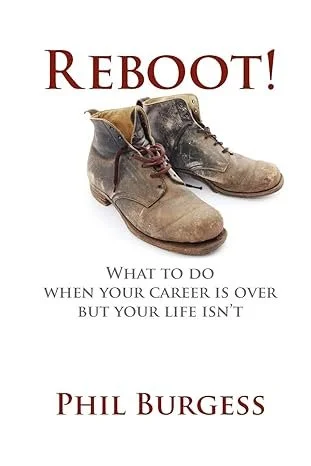
The next season of life and leadership deserves thoughtful planning. Tom Doescher shares practical guidance on purpose, mentoring, succession, identity, health, relationships, and how to finish strong while continuing to use your gifts to help others.

A Legacy Worth Honoring
Tom Doescher reflects on the life and legacy of his brother Dan Doescher, sharing a powerful example of mentorship, generosity, and the lasting impact of helping others recognize their potential.

A Long-Range Economic Warning Business Leaders Should Not Ignore
Tom Doescher reflects on ITR Economics’ prediction of a possible “Great Depression of 2030” and why business owners should pay attention to long-term economic, demographic, and financial trends.
More Common Sense from Famous People
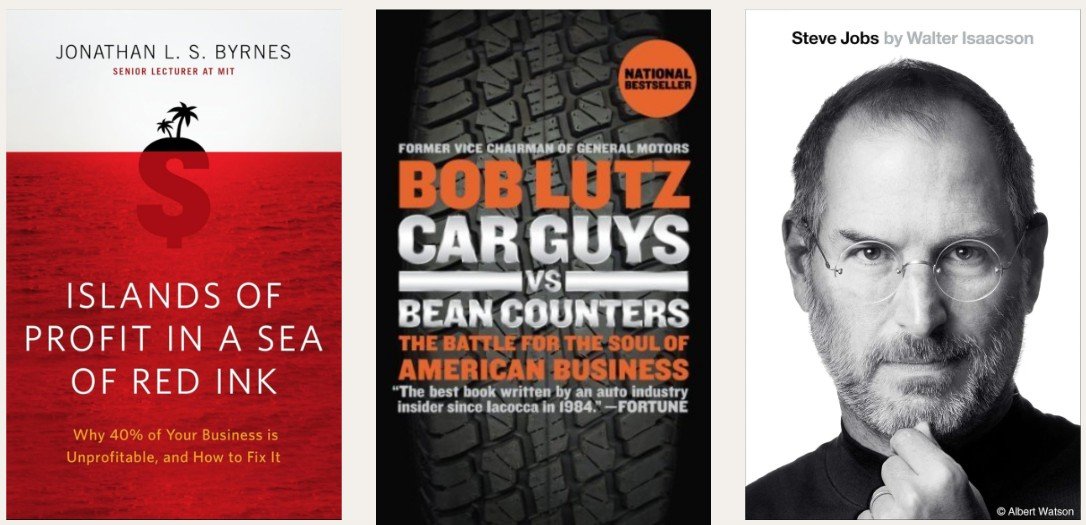
Over the years, it has been interesting to me how easy it is for businesses - both large and small - to become distracted by so many urgent matters and inadvertently stop listening to their customers/clients and innovating new products and services. Can you think of something that needs your attention right now? Take the time to deal with it.

Building a Generous Team in a Tired World
Generosity is not reserved for people with extra money, extra time, or a famous last name. In this reflection on Matthew Kelly’s The Generosity Habit, Tom Doescher explores why generosity is contagious, why it matters year-round, and how small acts of hope and encouragement can change more than we think.

Automation Without Abandonment: A Case for Human Contact in a Digital World
Automation can make a business more efficient, but when customers or employees feel stranded, efficiency stops feeling smart. Tom Doescher explores why human contact still matters, where modern systems often go wrong, and how leaders can build a better middle ground.

Client Experience Isn’t a Department. It’s a Leadership Habit
At the Detroit Athletic Club, exceptional service does not feel scripted. It feels personal. Tom Doescher reflects on what creates that kind of experience and why the real issue is often not customer service, but leadership, culture, and team development.

A Conversation with a Legend: Lessons from Ed Parks
At 86 years young, Ed Parks reminded a room of entrepreneurs that “money is neutral”—and leadership is measured by what you build and who you build. From preparation and delegation to humility and truth-telling advisors, these “random notes” are a roadmap for leaders who want their businesses (and people) to thrive for generations.

What Does Mentoring Look Like?
Mentoring doesn’t require a secret formula. In this Coach’s Corner story from an owner-operated manufacturing business, a founder prepares the next generation through side-by-side learning, thoughtful questions, and deep respect—showing why mentorship is one of the most practical succession tools you can build.

Before You Hit Send: The Efficiency Trap for Business Owners
Most leaders value efficiency, but when it comes to communication, speed can be your enemy. A “quick” email about a complex or emotional issue often creates a day of cleanup. This post explores when to stop typing, start talking, and how small shifts in your habits can transform how you lead.

Focus on “One” Thing
Great leadership isn’t flashy, it’s focused and consistent. Learn why consistent focus on one “keystone habit” can transform your leadership, using lessons from Craig Groeschel and Paul O’Neill’s Alcoa turnaround. Then identify the one habit that could create lasting impact for you.